Health and Safety Policy for Cleaners Hackney
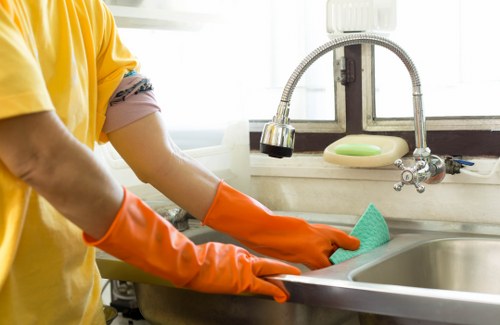 This health and safety policy sets out the standards, responsibilities, and working practices that help keep cleaners in Hackney safe, healthy, and confident in their day-to-day duties. It applies to all cleaning activities carried out in homes, offices, communal areas, and other work environments, with a focus on preventing harm before it happens. Our approach is based on simple principles: identify risks early, control hazards properly, and encourage every worker to speak up if something feels unsafe.
The policy supports a workplace culture where safety is treated as part of quality service. Cleaning tasks can involve wet floors, sharp tools, chemical products, repetitive movements, and lifting or reaching in awkward positions. For that reason, the team is expected to follow safe methods of work at all times. Cleaners Hackney recognises that healthy working habits improve performance, reduce accidents, and protect both staff and the people using the premises.
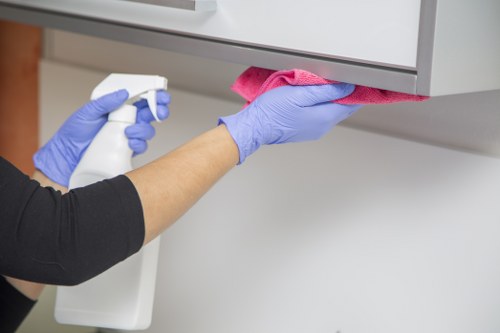 All workers must take reasonable care of their own safety and the safety of others who may be affected by their actions. This includes using equipment correctly, reporting defects quickly, and avoiding unsafe shortcuts. Supervisors and managers are responsible for making sure that safe arrangements are in place, while employees must follow instructions and raise concerns where needed. Shared responsibility is essential to a reliable cleaning safety policy.
Core Safety Principles
Risk assessment is central to every cleaning task. Before work begins, hazards should be considered and appropriate controls put in place. Common risks include slips and trips, contact with cleaning chemicals, exposure to dust, moving furniture, and handling waste. Where possible, the safest option should always be chosen. If a task cannot be completed safely, it must be paused until the issue is resolved.
Personal protective equipment, or PPE, must be used when required. This may include gloves, aprons, masks, or eye protection depending on the task and the products involved. PPE must be maintained in good condition and replaced when damaged or no longer effective. Cleaners must also ensure that clothing and footwear are suitable for the work, especially where floors may be wet or surfaces uneven.
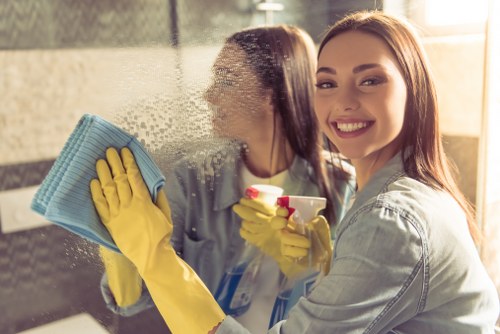 Chemical safety is especially important in professional cleaning. Products should be stored correctly, labelled clearly, and used according to instructions. Mixing incompatible substances is strictly prohibited because it may release dangerous fumes or cause burns. Where stronger products are necessary, workers must understand the risks and apply them carefully. A sensible cleaning services health and safety policy places prevention above convenience.
Safe Working Practices
Good housekeeping is one of the simplest ways to reduce accidents. Equipment should be kept tidy, cords and hoses should not create tripping hazards, and warning signs should be used whenever floors are wet or access is restricted. Waste must be removed safely and disposed of according to site rules. Clear working areas help cleaners move confidently and reduce the chance of injury.
Manual handling must be managed with care. Lifting heavy bins, moving objects, or carrying supplies can strain the back, shoulders, and wrists if done incorrectly. Workers should assess the load before lifting, use correct posture, and ask for help when an item is too large, awkward, or heavy. Where suitable, trolleys, carts, or lighter containers should be used to reduce physical stress.
Ergonomics also matters in a professional cleaner safety policy. Repetitive tasks such as scrubbing, wiping, and vacuuming can lead to fatigue or discomfort if performed for long periods without breaks or changes in movement. Staff should vary tasks where practical, take rest breaks as scheduled, and report aches or strain early so adjustments can be made before a minor issue becomes a serious injury.
Training, Reporting, and Emergency Action
Training is essential for safe and consistent work. Every cleaner must receive clear instruction on safe use of equipment, handling of cleaning materials, correct personal hygiene, and emergency procedures. Refresher training should be provided whenever work methods change or new risks are introduced. A strong cleaning team safety policy depends on workers understanding not only what to do, but why it matters.
Any accident, near miss, spill, injury, or dangerous condition must be reported as soon as possible. Quick reporting helps prevent repeat incidents and allows corrective action to be taken without delay. Managers should investigate events fairly and use findings to improve procedures. This is not about blame; it is about learning, improving, and protecting everyone involved in the work.
 In an emergency, workers must follow site instructions and respond calmly. This may include evacuating the area, isolating a hazard, giving first aid where trained to do so, or contacting the appropriate internal support. Fire exits must remain clear, and emergency equipment must never be blocked by cleaning materials or stored items. Clear thinking and prompt action are vital in any cleaner health and safety policy.
Workplace Health and Wellbeing
 Health and safety is not limited to immediate accidents. It also includes protecting long-term wellbeing. Regular exposure to strong chemicals, dust, poor posture, or heavy workloads can affect health over time. We therefore encourage safe pacing of work, hydration, ventilation where needed, and sensible scheduling so that standards remain high without unnecessary strain.
Hygiene is another important part of the policy. Cleaners should wash hands at appropriate times, avoid eating or drinking in contaminated areas, and store personal items separately from chemicals and equipment. Cuts or skin irritation should be dealt with promptly, and any concern about exposure or sensitivity should be raised early. Preventing illness is a key part of maintaining a safe service.
Ultimately, this policy aims to create a dependable framework for safe, respectful, and professional working conditions. By following these standards, Cleaners Hackney can reduce risk, support staff wellbeing, and deliver a consistently safe service. Every worker has a role in maintaining a secure environment, and every task should be carried out with care, attention, and responsibility.