Cleaners in Hackney for regular, one-off and specialist home cleaning

Our cleaners in Hackney provide domestic cleaning that can be shaped around day-to-day upkeep, deeper periodic work and specific tasks that need extra attention. The service is designed for homes that need practical support rather than a one-size-fits-all approach, so the cleaning plan can focus on the rooms, surfaces and finishes that matter most in each property. That might mean a recurring clean for steady maintenance, or a more detailed visit when certain areas have fallen behind.
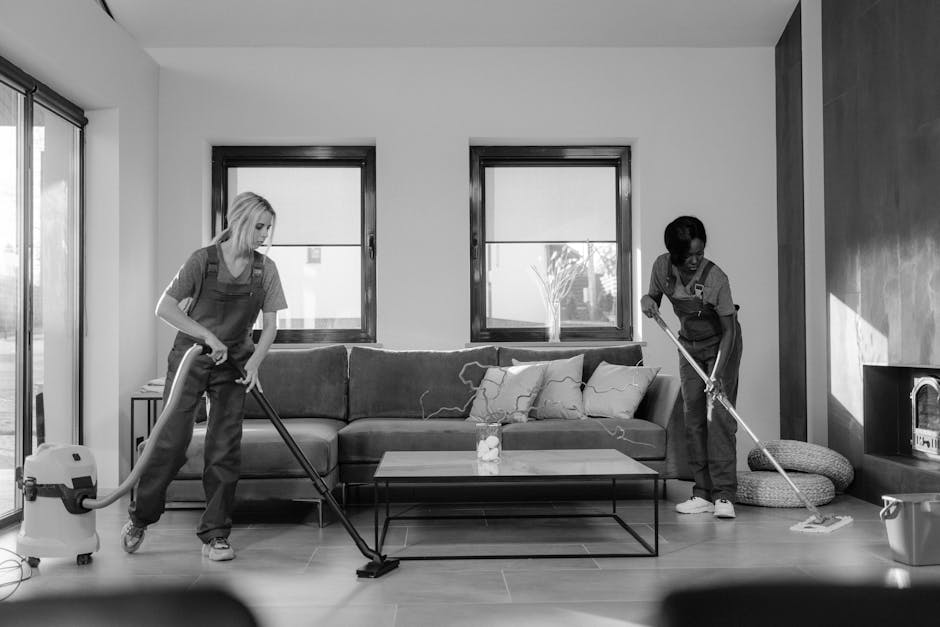
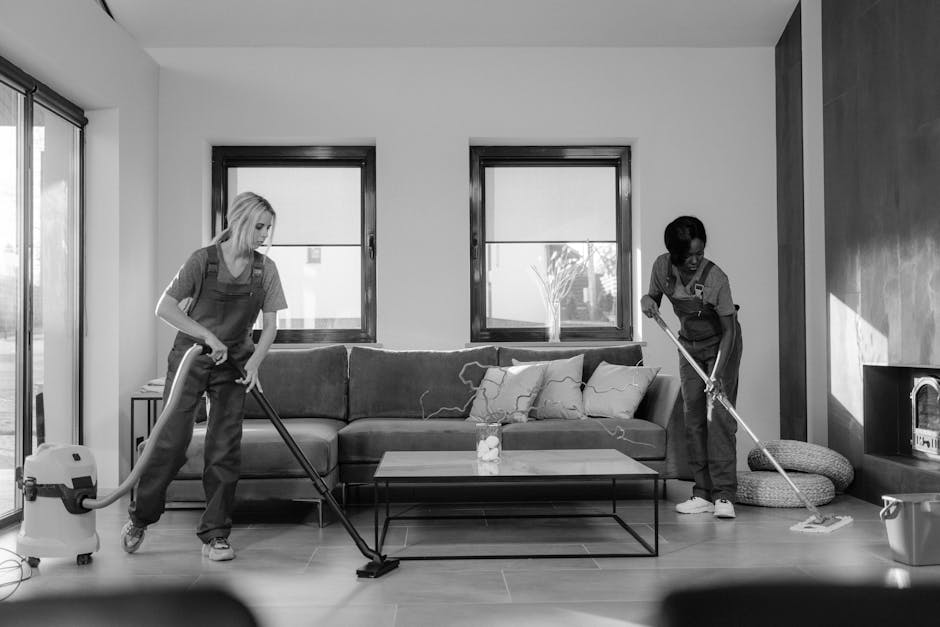
We work across the most common household spaces, including kitchens, bathrooms, living rooms, hallways and bedrooms, with attention to the details that keep a home looking cared for. The work can include dust removal, surface wiping, vacuuming, mopping, sanitising contact points and tackling build-up in places that are easy to overlook. Clear priorities help the clean stay focused, especially where a customer wants particular rooms completed first or a specific finish achieved.
If you are comparing options for Hackney home cleaning, this page sets out the main domestic services in straightforward terms. You can explore the most relevant pages for more detail on individual cleaning tasks, and when you are ready, ask for a quotation in plain English with the rooms or chores you want covered.
Domestic cleaning for routine household upkeep
Domestic cleaning suits homes that need steady maintenance rather than occasional intensive work. It is usually the best fit when surfaces gather everyday dust, floors need frequent attention and rooms benefit from a reliable reset. The service can be scaled to the property, whether that means a compact flat, a family house or a busy shared home that needs the workload arranged efficiently. The aim is to keep essential areas presentable and easier to live in.
Kitchen and bathroom work often sits at the core of domestic cleaning because these spaces show marks quickly and rely on regular hygiene. In practice, that can involve cleaning sinks, taps, worktops, splash-prone surfaces, appliance exteriors and the places around fixtures where grime collects. In living areas and bedrooms, the focus usually shifts to dusting accessible surfaces, vacuuming soft floor coverings and making sure the room feels orderly rather than neglected.
What a regular clean can cover
A well-planned regular clean is more useful when it follows a clear order. The most sensible starting point is to identify the rooms that matter most, then set the level of detail for each one. A customer may want the whole home covered every time, or prefer a rotation that gives extra effort to certain rooms while maintaining the rest. The right balance depends on how the property is used and how quickly each space gathers dust, marks or clutter.
Deep cleaning when a property needs a fuller reset

Deep cleaning goes beyond routine upkeep and is suited to homes that need a more thorough pass through built-up dirt, neglected corners or surfaces that are not tackled every week. It is a sensible option before entertaining, after a long gap between cleans, or when a property simply needs more than surface tidying. The work is usually more detailed and takes longer because it reaches into areas that standard maintenance cleaning may not fully address.
Typical deep-clean tasks can include thorough kitchen degreasing, bathroom descaling, scrubbing skirting boards, wiping doors and frames, cleaning around fixtures and attention to hidden dust and residue. It may also involve a more careful treatment of floors, edges and touch points, especially where build-up is visible. The finish should feel noticeably fresher, but it remains a cleaning task rather than a restoration service, so very heavy damage or specialist repairs are outside its scope.
Before booking a deeper clean, it helps to think about the areas that have drifted furthest from normal upkeep. A brief list of priorities is often more useful than a vague request, because it lets the work focus on the places that need it most. If you want a clearer starting point, you can ask for a quote and mention the rooms, surfaces or problem areas you want included.
End of tenancy cleaning for move-out preparation
End of tenancy cleaning is designed for tenants, landlords and letting agents who need a property left in a presentable and carefully cleaned condition at the end of an occupation. It is typically more detailed than a standard home clean and is aimed at the areas that are inspected most closely during handover. The work usually covers the visible parts of the property as well as many of the spots that gather marks during normal living.
This kind of cleaning often includes kitchen appliances, cupboard fronts, sinks, bathrooms, floors, internal glass and the edges and corners where dust tends to settle. The exact scope depends on the condition of the property and the rooms involved, so it is worth being specific about what remains in place and what needs attention. If any areas need extra focus, such as heavy limescale, greasy cooker surfaces or marked floor edges, those details should be set out clearly at the enquiry stage.
Planning the clean before handover
When a move-out clean is arranged, the most helpful information is usually practical rather than lengthy. Access arrangements, the number of rooms, whether appliances are to be cleaned inside and whether any carpets or upholstery need separate attention can all affect how the job is planned. That keeps the quotation grounded in the actual work required and avoids confusion on the day. A clear description of the property’s condition is also more useful than general comments.
One-off cleaning for occasional support
One-off cleaning is a flexible option when a property does not need a standing arrangement but would benefit from a single, well-organised visit. It suits homes after a particularly busy period, before guests arrive or when cleaning tasks have built up and need to be brought back under control. The service can be set around the specific areas that need attention, rather than spreading effort thinly across the entire home.
Because one-off work is so adaptable, it can be used for a wide range of domestic priorities. Some homes need the focus to stay on high-traffic spaces such as kitchens and hallways, while others need a broader clean across bedrooms, bathrooms and shared rooms. It is also useful when a customer wants to combine ordinary dusting and floor care with more targeted work on fixtures, surfaces or marks that have become noticeable over time.
When deciding whether a one-off visit is enough or whether a repeat clean would be better, it helps to look at how often the main rooms are used and how quickly they fall out of order. If you want to book a single visit, ask for a quotation with a short note about the rooms and jobs you want covered. That gives the clean a sensible starting point and helps shape the scope from the outset.
House cleaning for occupied homes
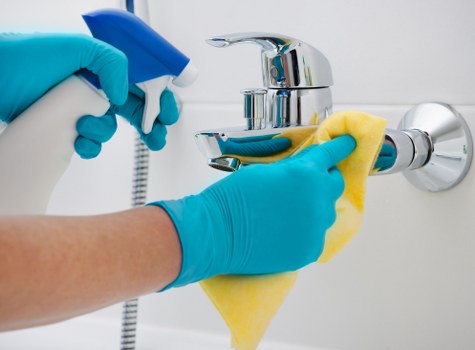
House cleaning is the broad domestic service for occupied properties that need practical maintenance across everyday living spaces. It may overlap with regular domestic cleaning, but the emphasis here is on the whole home as a working space: rooms that are used daily, surfaces that collect fingerprints and floors that need consistent care. The service works well when the aim is to keep the home comfortable, orderly and manageable without letting chores accumulate.
Within a house clean, the most useful tasks are often the ones that protect the overall feel of the property: dusting reachable surfaces, cleaning kitchen work areas, removing marks from bathroom fittings, vacuuming carpets and rugs, and mopping hard floors where needed. Depending on the layout, stairways, landings, internal glass and entrance areas may also need attention. Small details matter here because they affect how complete the home feels once the work is done.
For household cleaning to work well, the priorities should be realistic and specific. A home with pets may need more floor care, while a property with children may need frequent touch-point cleaning and extra focus on the busiest rooms. Another home may need more help with bathroom limescale or kitchen grease. Those differences are normal, and they are why the service is best described in terms of the rooms and tasks involved rather than a fixed checklist.
Kitchen, bathroom and high-touch area care
Kitchens and bathrooms are usually the parts of a home that need the most consistent attention because they combine moisture, heat, daily use and visible marks. In the kitchen, cleaning may focus on worktops, sinks, taps, cupboard fronts, splash areas and appliance exteriors. In bathrooms, it often includes basins, toilets, baths, showers, tiles and fittings that show limescale or residue. The most effective approach is to separate light upkeep from heavier build-up and handle each area accordingly.
High-touch points matter as much as the obvious surfaces. Handles, switches, bannisters, door plates and similar contact areas can quickly look dull if they are ignored. These are small details, but they make a strong difference to the finished result because they shape the overall impression of cleanliness. A careful clean should therefore combine visible sparkle with sensible attention to the places people touch most frequently.
- kitchen surfaces and sink areas
- bathroom fittings and tiled zones
- frequently touched handles and switches
- floors, skirting and accessible edges
- room-specific priorities set by the customer
Specialist floor and soft furnishing cleaning
Some homes need more than general dusting and vacuuming, especially when carpets, rugs, sofas or upholstered chairs have collected everyday wear. Specialist cleaning for these items is valuable because the materials involved often respond better to more considered methods than to ordinary household cleaning. The right approach depends on fabric type, pile, construction and the nature of the marks or soiling being treated.
Carpet and rug cleaning can help with ingrained dirt, traffic lanes and the dulling effect of repeated use. Upholstery and sofa cleaning are often useful when seating has absorbed dust, spills or general household odour. These services should be treated carefully because delicate fibres, trims and fillings require judgement, not force. It is usually better to use a method suited to the material than to chase a dramatic result at the expense of the fabric.
Where a property includes a mix of surfaces, the cleaner plan may need to combine floor care with furniture care so that one element does not undo the neatness of another. For example, a freshly cleaned room can still feel tired if the seating or rug is marked, while a cleaned sofa may be let down by dusty skirting and dirty floor edges. A balanced approach produces the most coherent finish.
Ovens, windows and finishing touches
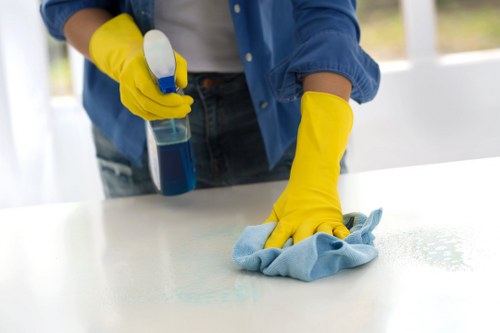
Some tasks sit at the edges of a general home clean but make a large difference to the final result. Oven cleaning is a good example: a cooker area can dominate the impression of a kitchen even when the rest of the room is tidy. Window cleaning and other finishing touches can likewise improve the sense of light, space and order, especially in homes where fingerprints, smears or cooking residue show quickly. These tasks work best when they are matched to the condition of the property rather than treated as an afterthought.
Specific chores often benefit from being booked as part of a wider domestic clean because that allows them to be organised properly. A kitchen clean may go further if oven grime is included, while a living room clean can feel more complete if dusty glass, internal panes or mirrors are also addressed. The point is not to add tasks for their own sake, but to make sure the most visible parts of the home receive the right level of attention.
If you are unsure which extras to include, it is better to describe the result you want than to rely on guesswork. A brief note such as “kitchen deep clean with oven†or “house clean with carpets and windows†gives a more accurate starting point. You can always refine the scope afterwards, but a sensible first description saves time and keeps the service focused on the right priorities.
About Hackney
Hackney is a London borough in the East End that combines long-established residential districts with dense, changing urban neighbourhoods. Its name is used both for the borough and for the central district around Hackney Central, so local references can carry different meanings depending on context. The area developed from older villages and hamlets before becoming absorbed into London’s expanding built environment, and much of its character still reflects that layered growth. Victorian terraces, post-war estates and newer apartment blocks sit alongside streets with a strong market-town legacy, giving the borough a varied streetscape rather than a single uniform centre. Hackney Central is closely associated with the borough’s civic and transport functions, while nearby Dalston, Homerton and Clapton contribute their own distinct urban textures. Public spaces such as London Fields and Victoria Park are well known for recreation, open-air use and the social life that gathers around them. The Regent’s Canal also runs through the wider area, adding waterside paths and bridges to an otherwise tightly built landscape. Cultural life in Hackney has often been linked with music, independent shops, creative work and community venues, and the borough remains noted for that mix of residential density and active street culture. Historic churches, railway infrastructure and converted industrial buildings show the area’s continuing adaptation over time, while newer developments continue to sit beside older housing and local landmarks. The result is a place shaped by movement, adaptation and reuse, with many streets revealing different periods of London history in close sequence.
Pricing, scope and quotation details
Quotation requests are usually easiest to handle when the scope is clear, because domestic cleaning can range from routine maintenance to larger, more detailed work. Price factors often include the size of the property, the number of rooms, the level of build-up, whether specialist tasks are included and whether the clean is a regular visit or a one-off. A larger job is not automatically more complicated, but it does need a realistic description so that the time and tasks can be assessed properly.
A helpful enquiry normally states the property type, the rooms to be cleaned, any extras such as oven care or upholstery cleaning, and any problem areas that need more attention. If access is awkward, if particular surfaces need delicate treatment, or if the home has features that deserve care, those details are worth including too. That keeps the quotation aligned with the work rather than forcing assumptions. If you are comparing options, ask for a quotation that reflects the service you actually want.
Tell us what needs cleaning and we can shape the visit around the rooms and tasks that matter most. If you are ready to move forward, request a quotation today and use a short summary of the property, the level of cleaning and any specialist items you want included.
How to prepare for a domestic clean

Good preparation is mostly about clarity. It helps to decide which rooms are included, whether any areas should be prioritised and whether there are items that should be left alone because they are fragile, personal or already handled another way. A simple list is often enough. The aim is not to create extra admin, but to make sure the cleaning plan reflects the property as it really is, rather than as a generic checklist might imagine it to be.
It is also sensible to think about the condition of the space before the visit. If a room has heavy clutter, unusually delicate finishes or surfaces that need a particular product or method, that should be mentioned up front. The same applies if you want some rooms cleaned more thoroughly than others. A short, practical handover saves time and keeps the emphasis on the work rather than on guesswork. That is especially useful when the clean includes several different tasks.
Whether you need a steady domestic arrangement, a deeper reset or a specialist task added to the plan, the next step is straightforward: ask for a quotation with the rooms and services you want covered. A clear request makes it easier to match the job to the right scope, and it gives you a better basis for choosing the type of clean that suits your home.